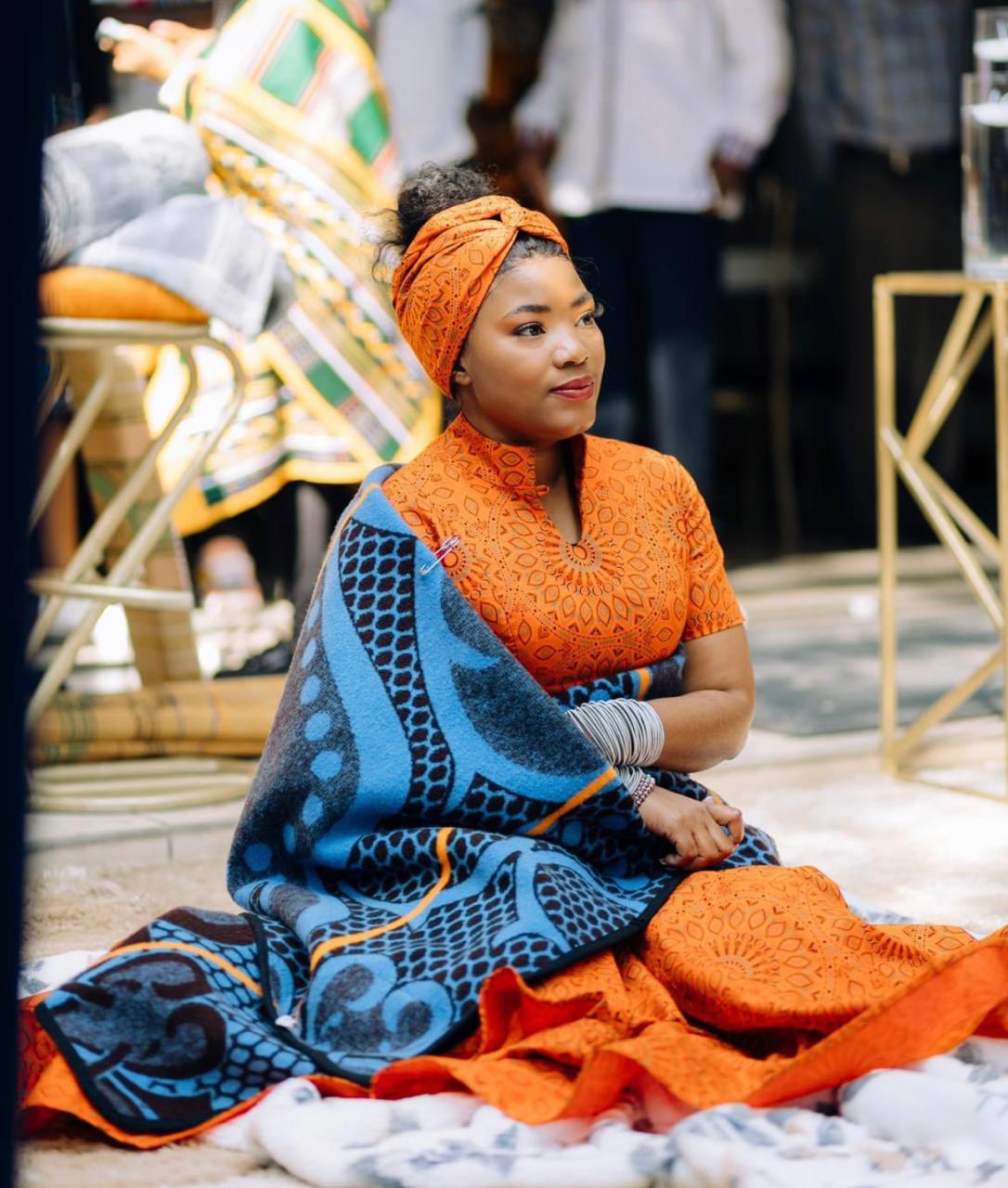
Lobola and Customary Marriages | Legal Requirements in South Africa
A customary marriage in South Africa is recognised under the Recognition of Customary Marriages Act 120 of 1998, granting spouses legal rights similar to civil marriages.
Lobola, often referred to as bride price, is a traditional practice where the groom provides wealth, gifts, or livestock to the bride’s family. While lobola is a culturally significant component of customary marriages, questions arise about whether it is a legal requirement for the marriage to be recognised.
PM Attorneys guide clients on the legal aspects of customary marriages and ensures their rights are fully protected.
Is Lobola Legally Required?
Legal Perspective
Under South African law, lobola is not a legal requirement for a customary marriage to be valid. A marriage can be legally recognised if it meets the following conditions:
- Both spouses are over 18 years old
- Consent is freely given by both parties
- The marriage follows customary practices recognized in the community
While lobola is traditional and culturally important, the law focuses on the validity of the marriage itself rather than the payment of lobola.
PM Attorneys advises couples on fulfilling both legal and cultural expectations for a customary marriage.
Cultural Importance of Lobola
Although not legally required, lobola plays a significant role in many communities by:
- Strengthening ties between families
- Honouring cultural traditions
- Providing social recognition of the marriage
Couples may choose to proceed with a customary marriage without lobola, but families may have expectations that affect social and familial acceptance.
Registering a Customary Marriage Without Lobola
Even if lobola has not been paid, a customary marriage can be registered with the Department of Home Affairs, which provides official legal recognition. Registration ensures:
- Legal protection of property and inheritance rights
- Recognition of children born within the marriage
- Clarity in divorce or succession matters
PM Attorneys assists with registration and ensures that all legal documentation meets South African requirements.
Protecting Your Rights
Whether or not lobola is paid, couples should ensure:
- The marriage complies with both legal and customary requirements
- Property and financial interests are protected
- Children’s rights are recognised
PM Attorneys provides expert legal guidance to safeguard the rights of all parties in a customary marriage.
FAQs
- Is lobola necessary for a customary marriage to be valid in South Africa?
No. While culturally significant, lobola is not legally required for the marriage to be recognised. - Can a customary marriage be registered without lobola?
Yes. Registration at the Department of Home Affairs is possible even if lobola has not been paid. - What is the legal purpose of lobola?
Lobola is a cultural practice meant to strengthen family bonds and social recognition, but it does not determine legal validity. - Does lobola affect property and inheritance rights?
No. Legal rights in a customary marriage are protected regardless of whether lobola has been paid. - Can PM Attorneys help with registering a customary marriage without lobola?
Yes. PM Attorneys ensures your marriage is legally recognised and all rights are protected.
Secure Legal Recognition for Your Customary Marriage with PM Attorneys
Lobola is an important cultural practice, but it is not legally required for a customary marriage to be valid in South Africa. PM Attorneys provides professional legal guidance to ensure your marriage is recognised, your rights are protected, and all family matters are addressed legally and effectively.
Take steps today to secure your legal rights and marital recognition with PM Attorneys.
Our Attorneys

Managing Director
Phuti Manamela
