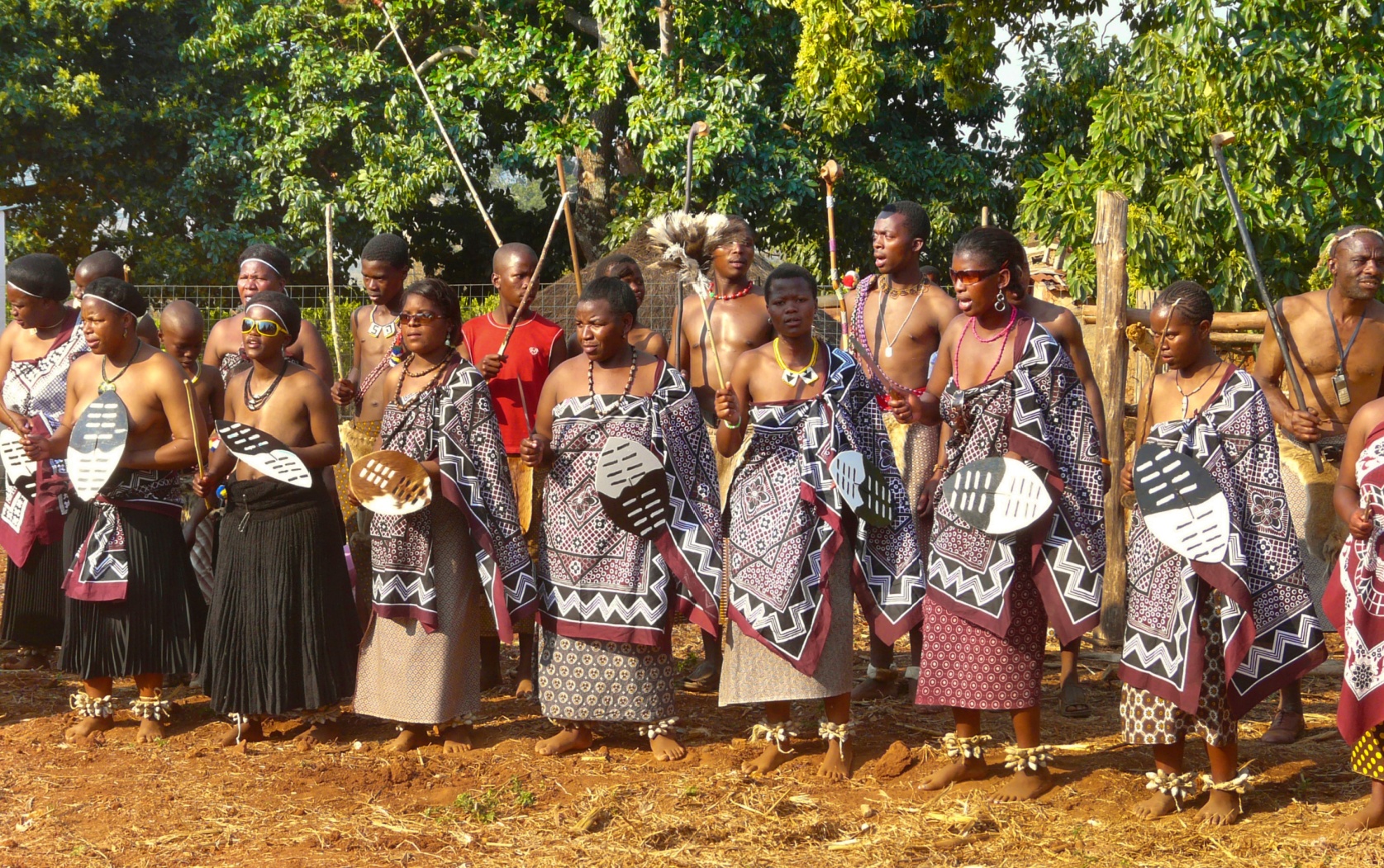
Recognition of Customary Marriages in South Africa Explained
Customary marriages are unions conducted according to the customs and traditions of indigenous communities. Under the Recognition of Customary Marriages Act 120 of 1998, these marriages are fully recognised by South African law, granting spouses legal rights similar to civil marriages.
Customary marriages can be monogamous or polygamous, provided they comply with traditional practices and legal requirements. PM Attorneys provides expert legal advice to ensure that your customary marriage is recognised and your rights are protected.
Legal Requirements for Recognition
Essential Conditions
For a customary marriage to be recognised in South Africa, it must meet the following conditions:
- Both parties must be at least 18 years old
- Consent must be freely given by both spouses
- The marriage must follow the relevant cultural customs and practices
Failure to meet these conditions can affect the legal recognition of the marriage. PM Attorneys assists clients in confirming compliance with all legal and customary requirements.
Registration of Customary Marriage
While registration is not mandatory for a customary marriage to be legally valid, registering the marriage with the Department of Home Affairs offers several benefits:
- Provides official proof of the marriage
- Protects property, inheritance, and financial rights
- Simplifies legal proceedings in disputes, divorce, or succession
PM Attorneys ensures all registration processes are completed accurately to safeguard your rights.
Rights and Benefits of Recognised Customary Marriages
Property and Financial Rights
Recognition of a customary marriage ensures:
- Division of property according to community of property rules unless an antenuptial contract exists
- Protection against unfair claims by third parties
- Legal rights to inheritance and spousal support
Family and Child Rights
A recognised customary marriage also guarantees:
- Legal recognition of children born within the marriage
- Custody and maintenance rights for children
- Protection of family interests in the event of divorce or disputes
PM Attorneys provides guidance on asserting these rights effectively in legal proceedings.
Legal Recourse and Court Recognition
Recognised customary marriages are enforceable in all South African courts. This ensures that:
- Divorce proceedings are legally valid
- Property and maintenance claims can be enforced
- Succession and inheritance disputes are settled in compliance with the law
PM Attorneys ensures all legal documentation and processes are in place to uphold your marriage rights.
FAQs
- Are all customary marriages recognised in South Africa?
Yes, as long as they comply with cultural practices and meet legal requirements under the Recognition of Customary Marriages Act. - Is registration mandatory for legal recognition?
No, but registration provides official proof and simplifies legal matters regarding property, inheritance, and custody. - Can a customary marriage be polygamous?
Yes, polygamy is allowed under customary law if it follows traditional practices and legal guidelines. - How does recognition affect property rights?
Recognition ensures property is divided according to legal rules, usually community of property unless an antenuptial contract exists. - Can PM Attorneys help ensure my customary marriage is recognised?
Yes. PM Attorneys assists with legal advice, registration, documentation, and protection of marital and family rights.
Ensure Your Customary Marriage Is Legally Recognised with PM Attorneys
Recognition of a customary marriage secures your legal rights, protects your property, and safeguards your family. PM Attorneys provides expert legal support to ensure your customary marriage is fully recognised and enforceable under South African law.
Take the necessary steps to protect your marriage and family rights with PM Attorneys’ professional guidance.
Our Attorneys

Managing Director
Phuti Manamela
