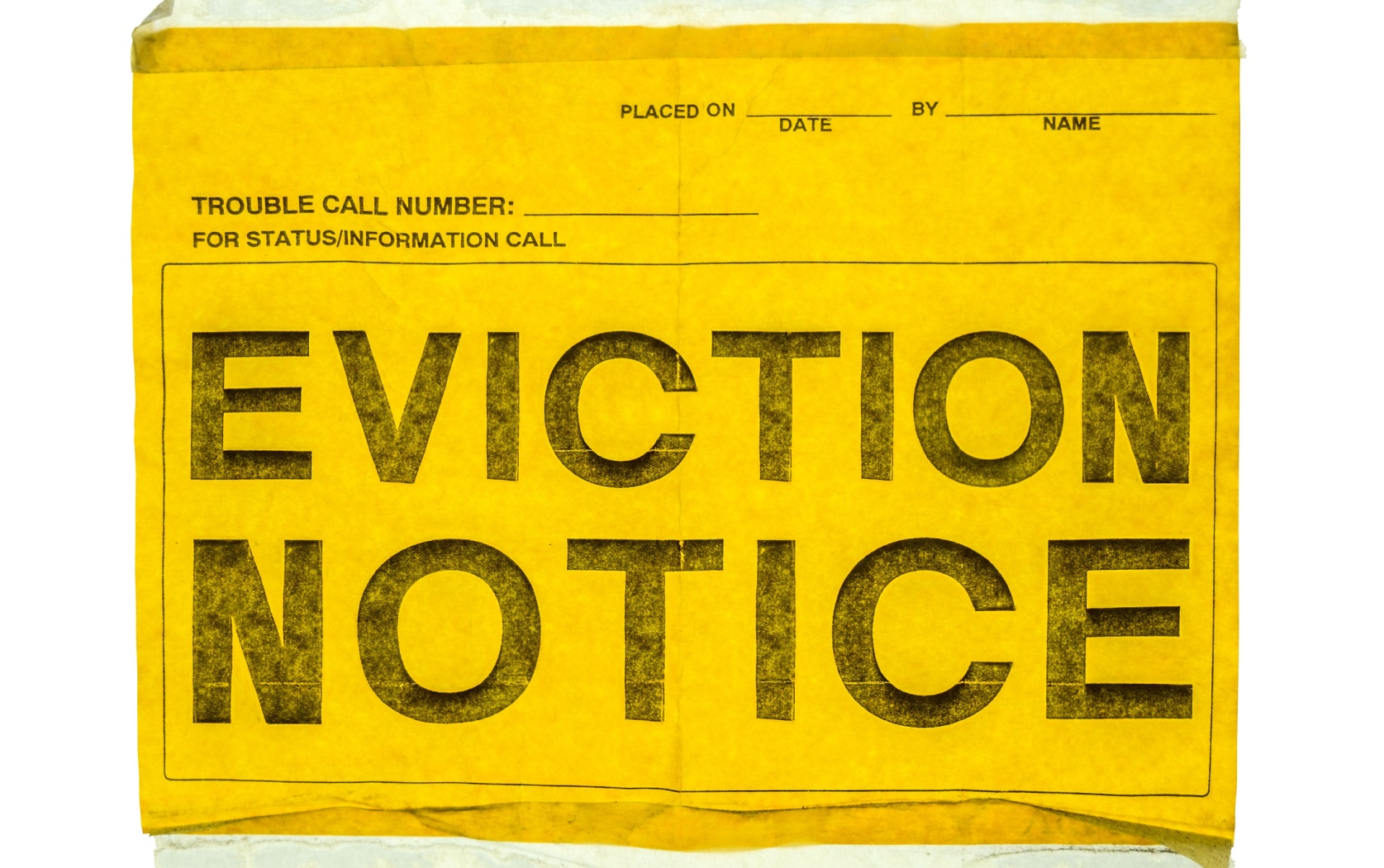
South African Eviction Cases Explained | Full Guide for Tenants & Landlords
An eviction case is a legal proceeding where a landlord seeks to regain possession of a property from a tenant due to lease violations, non-payment of rent, or unlawful occupation. PM Attorneys provide expert legal assistance to landlords and tenants, ensuring eviction cases are handled lawfully and efficiently.
Types of Eviction Cases
Residential Evictions
Residential eviction cases involve tenants in homes or apartments. The Prevention of Illegal Eviction from and Unlawful Occupation of Land Act (PIE Act) governs residential evictions to ensure tenants receive fair notice and due legal process.
Commercial Evictions
Commercial eviction cases concern business tenants occupying leased commercial properties. Lease agreements and contract law primarily govern these cases. PM Attorneys guide landlords in enforcing their rights while adhering to the law.
Urgent or Emergency Evictions
Certain cases, such as illegal occupation or safety risks, require urgent court intervention. PM Attorneys manage these cases promptly while ensuring compliance with South African law.
Steps in an Eviction Case
Step 1: Identify the Reason for Eviction
PM Attorneys assess whether the tenant has breached lease terms, failed to pay rent, or occupied the property unlawfully.
Step 2: Serve a Formal Notice
A written notice detailing the eviction reason and timeframe for compliance is served to the tenant. PM Attorneys ensure that notices meet legal requirements.
Step 3: File an Eviction Application
If the tenant does not comply, PM Attorneys prepare and submit the eviction application to the relevant court.
Step 4: Court Hearing
The court reviews evidence, lease agreements, and legal compliance. Both landlords and tenants may present their cases.
Step 5: Court Decision
The court may grant the eviction, deny it, or postpone the case. PM Attorneys help clients understand the outcome and advise on next steps.
Step 6: Enforcement
If the eviction is granted, the sheriff of the court enforces the order. PM Attorneys coordinate enforcement to ensure it is conducted legally and safely.
Rights and Responsibilities in Eviction Cases
Landlord Rights
Landlords have the right to regain possession of their property following proper legal procedures. PM Attorneys ensure landlords enforce these rights lawfully.
Tenant Rights
Tenants have the right to proper notice, legal representation, and to contest unlawful evictions. PM Attorneys provide guidance and representation to safeguard tenant rights.
Compliance with South African Law
Both landlords and tenants must comply with eviction laws. PM Attorneys ensure every step in the eviction process adheres to legal requirements, preventing disputes or unlawful actions.
FAQs
What is an eviction case?
An eviction case is a legal proceeding where a landlord seeks to remove a tenant due to lease breaches, non-payment, or unlawful occupation.
Can a tenant be evicted without a court order?
No. A valid court order is required to make an eviction legally enforceable.
How long does an eviction case take?
Timeframes vary depending on whether the tenant contests the eviction, typically ranging from a few weeks to several months.
Does the PIE Act protect tenants?
Yes. The PIE Act ensures residential tenants receive proper notice and legal protection before eviction.
Can landlords enforce eviction themselves?
No. Self-help evictions, such as changing locks, are illegal. PM Attorneys ensure landlords follow proper legal procedures.
What happens if a tenant refuses to leave after a court order?
The sheriff of the court enforces the eviction order, ensuring the tenant vacates safely and lawfully.
Navigate Eviction Cases with Confidence
PM Attorneys provide professional legal guidance for landlords and tenants throughout eviction cases. They ensure every step is lawful, enforceable, and efficient. Contact PM Attorneys today to protect your property, safeguard your rights, and manage eviction matters effectively.