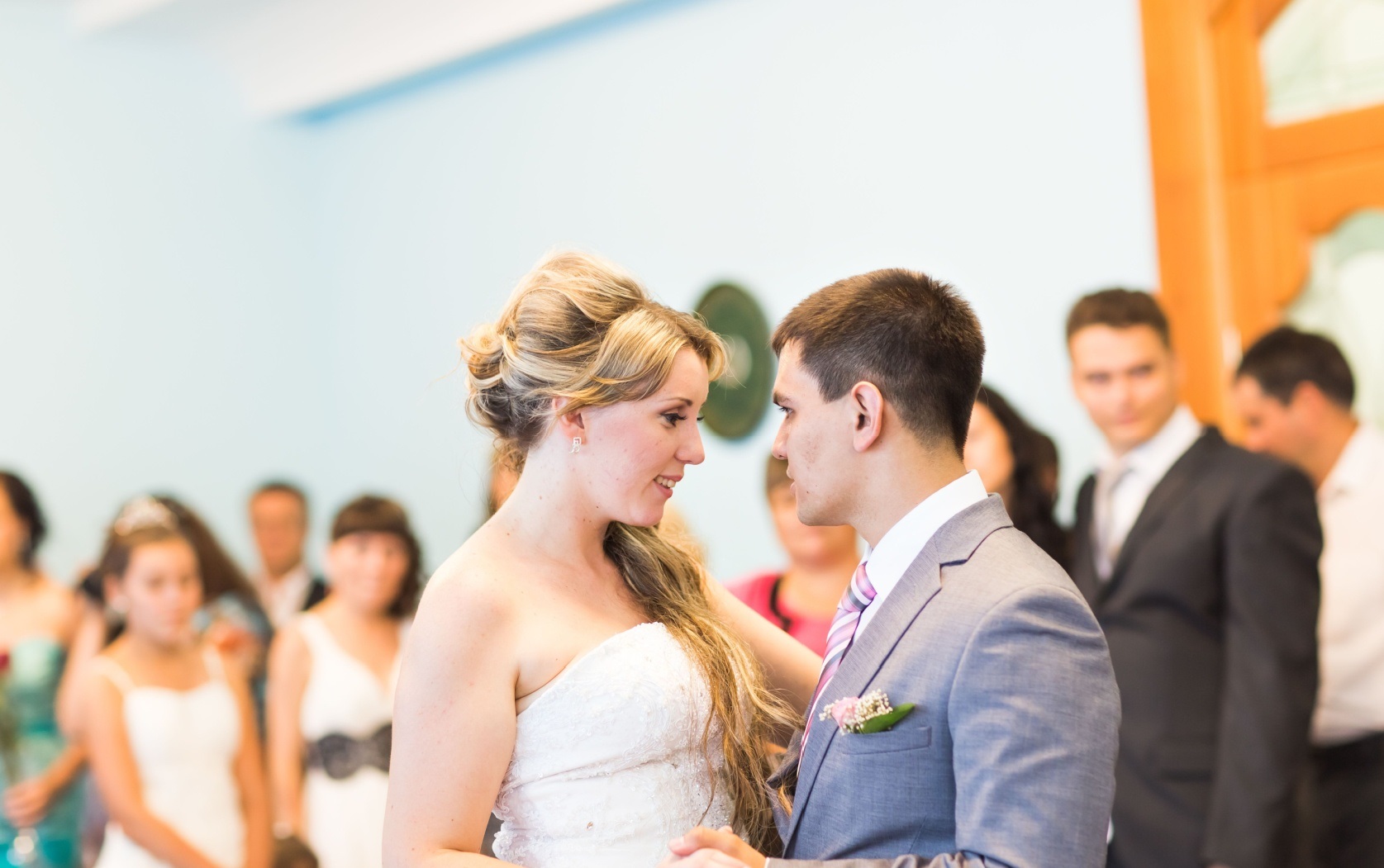
Civil Marriage vs Traditional Marriage | Key Differences You Should Know
Marriage is a significant legal and cultural institution in South Africa, and understanding the differences between civil and traditional marriages is crucial for couples planning their union. Both types of marriages are recognized under South African law, but they carry distinct legal, cultural, and procedural implications.
Understanding Civil Marriage
A civil marriage is a legally recognized union conducted under the Marriage Act of 1961. It is solemnized by a marriage officer, either in a government office or a licensed venue, and requires official registration with the Department of Home Affairs.
Key Features of Civil Marriage
- Legal Framework: Governed by the Marriage Act and other relevant legislation.
- Registration: Must be registered with the Department of Home Affairs to be legally valid.
- Rights and Responsibilities: Couples gain legal rights regarding inheritance, property, maintenance, and spousal benefits.
- Flexibility: Civil marriages can include various matrimonial property regimes, such as in-community-of-property or out-of-community-of-property agreements.
Understanding Traditional Marriage
Traditional marriage is recognized under the Recognition of Customary Marriages Act of 1998 and reflects the cultural customs of South Africa’s indigenous communities. It is a union that honors family traditions and communal practices.
Key Features of Traditional Marriage
- Cultural Significance: Celebrates and preserves indigenous customs and practices.
- Legal Recognition: Must meet the requirements set out in the Recognition of Customary Marriages Act to be legally recognized.
- Lobola (Bride Price): Often involves a negotiation process between families as part of the union.
- Property Rights: Property regimes can vary according to custom, but customary marriages have legal protections under South African law.
Comparing Civil and Traditional Marriages
| Aspect | Civil Marriage | Traditional Marriage |
| Legal Basis | Marriage Act 1961 | Recognition of Customary Marriages Act 1998 |
| Ceremony | Conducted by a marriage officer | Conducted according to cultural customs |
| Registration | Mandatory with Home Affairs | Recognition and registration required for legal rights |
| Property | Options include in/out of community property | Often determined by custom, with legal protections |
FAQs About Civil and Traditional Marriages
Q: Can a couple be married under both civil and traditional law?
A: Yes. Couples can have a civil marriage while also observing traditional customs, but both must comply with legal registration requirements.
Q: Does lobola affect legal rights?
A: Lobola is a cultural practice and does not automatically affect legal rights. Legal rights are secured through registration under the Recognition of Customary Marriages Act.
Q: Are civil marriages recognized internationally?
A: Yes. Civil marriages are generally recognized internationally, whereas traditional marriages may require additional documentation to be acknowledged abroad.
Q: How are property rights determined in traditional marriages?
A: Property rights in traditional marriages are governed by custom but are also protected under South African law, ensuring spouses’ legal rights are safeguarded.
Take the Right Legal Steps
Understanding the distinctions between civil and traditional marriages ensures couples make informed decisions about their union. PM Attorneys offer expert guidance on marriage registration, legal rights, and property arrangements to protect your interests.
Contact PM Attorneys today to secure your marriage rights and ensure your union is legally recognized.