Step-by-Step Legal Guide to Divorcing a Customary Marriage in South Africa
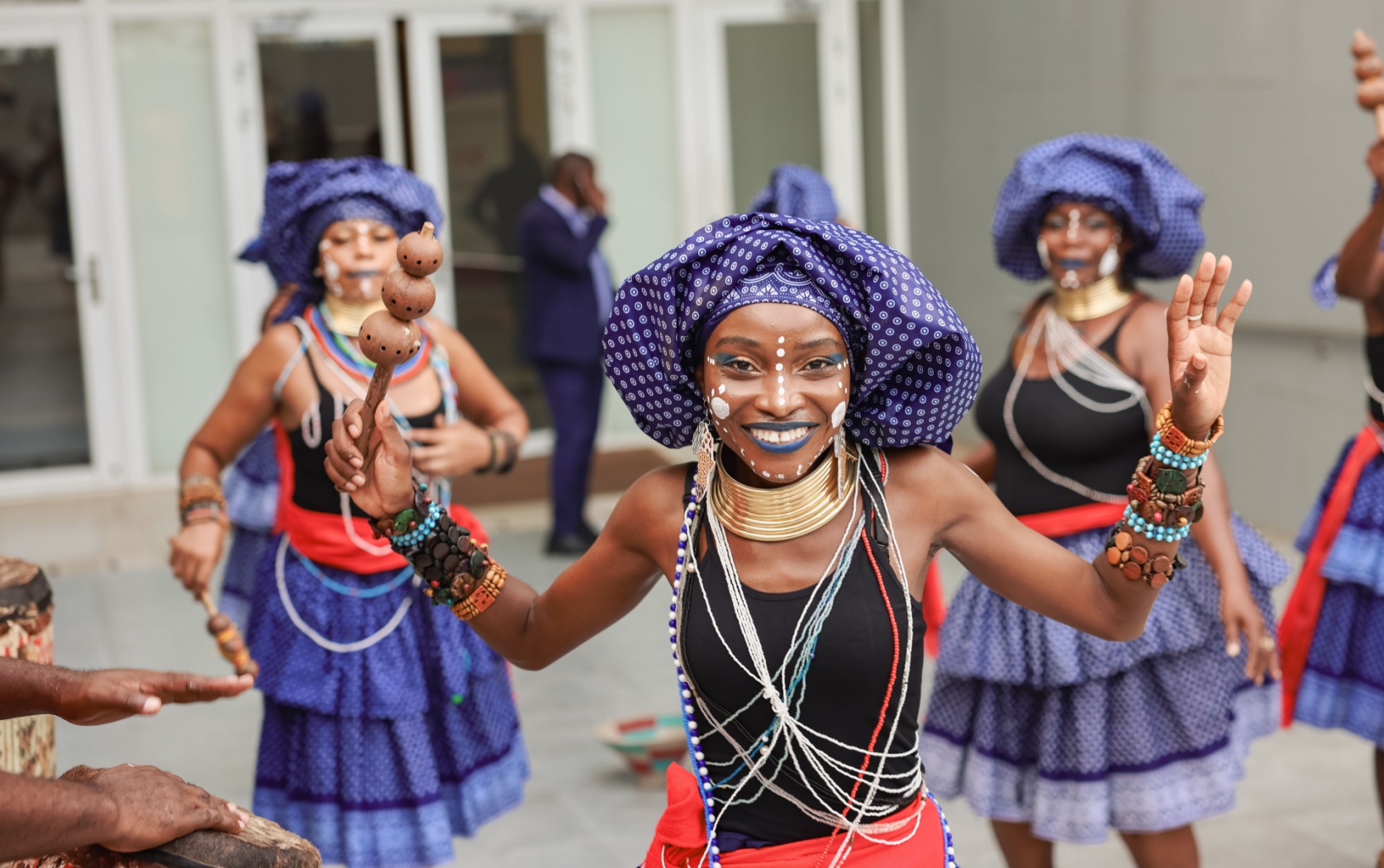
A customary marriage in South Africa is a union conducted according to the cultural practices of indigenous communities. Recognised under the Recognition of Customary Marriages Act 120 of 1998, these marriages carry the same legal rights as civil marriages when they meet legal and cultural requirements.
Divorcing a customary marriage requires navigating both legal and cultural considerations. PM Attorneys provides expert guidance to ensure the rights of spouses and children are protected throughout the process.
Legal Grounds for Divorce in a Customary Marriage
Irretrievable Breakdown of the Marriage
Courts can dissolve a customary marriage if it has broken down irretrievably. Factors include:
- Continuous conflict or separation
- Abuse or neglect by one spouse
- Incompatibility that prevents reconciliation
Court Intervention
Even if the marriage is amicable, the court must approve the divorce to:
- Legally dissolve the union
- Resolve disputes over property, maintenance, and assets
- Determine custody and support arrangements for children
PM Attorneys ensure that all legal steps are followed for a smooth and fair divorce process.
Property and Financial Considerations
Division of Property
- Assets acquired during the marriage are divided equitably
- The contributions of each spouse are taken into account
- PM Attorneys helps document property and negotiate fair settlements
Maintenance and Support
- Spouses may claim maintenance where applicable
- Children are legally entitled to financial support
- PM Attorneys ensures fair and enforceable arrangements
Child Custody and Care
Custody Arrangements
Courts consider the best interests of the child when deciding custody. PM Attorneys advises clients on:
- Custody rights and responsibilities
- Access and visitation schedules
- Legal protections for children during and after divorce
Maintenance Obligations
- Ensures children receive adequate support
- Spouses may claim maintenance depending on financial circumstances
- PM Attorneys handles negotiations or court applications professionally
Steps to Legally Divorce a Customary Marriage
Step 1 – Legal Assessment
PM Attorneys evaluates the marriage, whether registered or unregistered, to determine legal rights and obligations.
Step 2 – Negotiation and Mediation
Where possible, disputes regarding property and children are resolved amicably. PM Attorneys facilitates these negotiations while protecting client interests.
Step 3 – Court Proceedings
If disputes cannot be resolved, PM Attorneys represents clients in court to:
- Officially dissolve the marriage
- Ensure equitable distribution of property
- Confirm maintenance and custody arrangements
FAQs
- Can a customary marriage be divorced legally in South Africa?
Yes. All customary marriages, whether registered or unregistered, can be legally dissolved by a court. - Is court approval required for divorce?
Yes. A court must approve the divorce to ensure legal recognition and resolution of property, maintenance, and custody issues. - How are assets divided?
Assets are divided fairly based on contributions, agreements, and legal protections. PM Attorneys ensures equitable outcomes. - Can children’s rights be protected?
Yes. Courts determine custody and maintenance arrangements in the best interest of the children, and PM Attorneys provides legal support throughout. - Does registration of the marriage affect divorce?
Yes. Registered marriages have official proof, which simplifies property and inheritance disputes. PM Attorneys assists in both registered and unregistered cases.
Secure Your Divorce Legally with PM Attorneys
Divorcing a customary marriage in South Africa involves legal complexities related to property, children, and financial support. PM Attorneys provides expert guidance and representation to ensure a fair and legally recognised divorce that protects your rights and family interests.
Take control of your legal rights today with PM Attorneys’ professional support.
Our Attorneys

Managing Director
Phuti Manamela
